
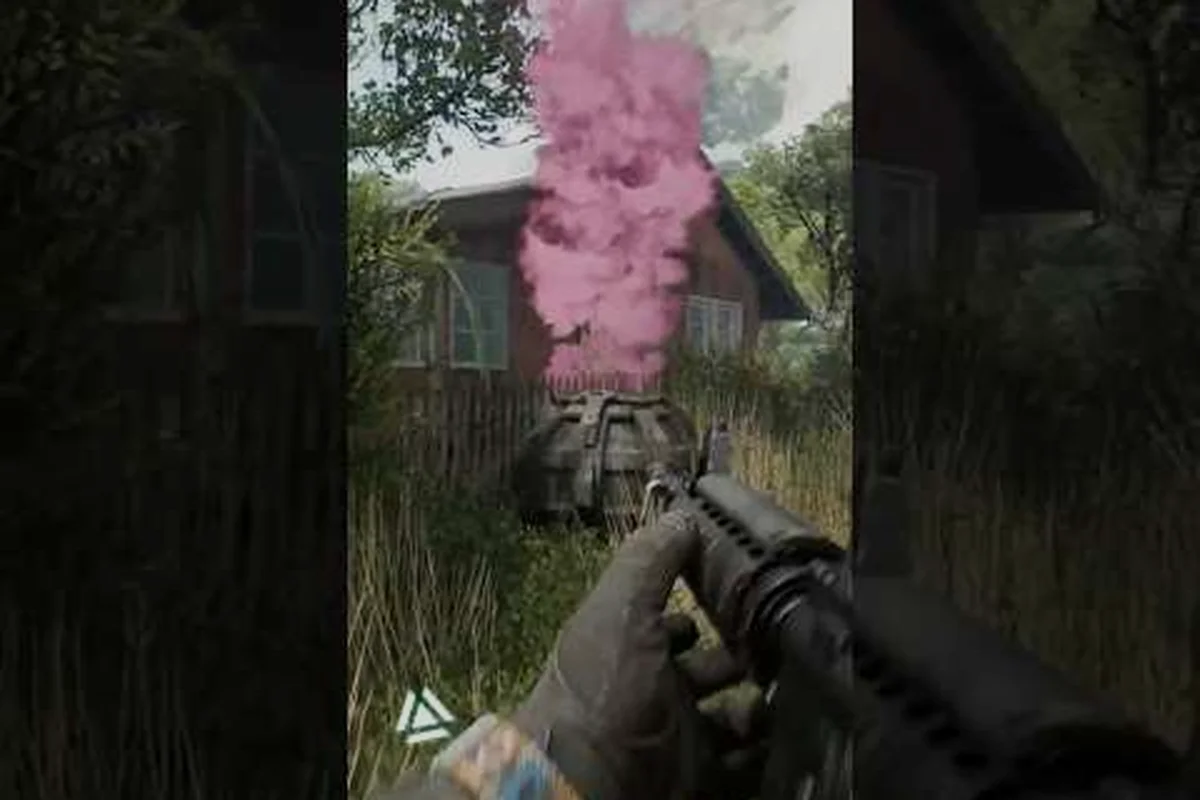
Die Aktive Materie Stahlpanzerplatte bildet das Herzstück jedes Mid-Budget-PvPvE-Loadouts, und die Wahl zwischen ihr, der Keramik-Variante und der Titan-Platte verändert, wie dein Squad die Quanteninstabilen Zonen überlebt, die auf der offiziellen Active-Matter-Seite beschrieben werden. Hol dir den aktuellen Stufen-für-Stufen-Überblick vor deinem nächsten Raid.
Stahl-, Keramik- und Titan-Panzerplatten im Vergleich
Körperrüstung in Active Matter ist in drei Frontlinien-Einsatzstufen unterteilt: Stahl, Keramik und Titan. Jede Platte wird in dein Body-Sleeve-Chest-Rig eingesetzt und bestimmt, wie viele Kugeln, Granatsplitter und Angriffe von AM-transformierten Kreaturen du einstecken kannst, bevor du zu Boden gehst. Laut den offiziellen Patch-Notes, die mit Update 0.4.0.62 veröffentlicht wurden, wurde die Basistragekapazität von Body Sleeves um 100 reduziert, was die Plattenwahl bestrafender macht – wählst du ein schweres Stahl-Setup, verlierst du Lagerraum, wählst du einen leichten Keramik-Build, verlierst du die Ein-Schuss-Überlebensfähigkeit gegen die SCAR-H- und M14-Nutzer, die jetzt in Downtown unterwegs sind.
Die active matter steel armor plate ist der häufigste Drop, zu finden in Raid-Werkzeugkästen, bei gefallenen Syndikat-Agenten und in den Pickup-Kofferräumen rund um das Hauptquartier, die Update 0.4.0.62 mit mehr Loot erweitert hat. Sie wiegt spürbar mehr als Keramik und lässt sich am Replikator der Werkstatt langsamer reparieren, stoppt aber Gewehrkaliber-Geschosse, die eine Keramik-Einlage bereits beim ersten Treffer zerspringen lassen würden. Wenn du noch Rotations-Timing lernst, ist eine einzelne Stahlplatte im Brustfach die günstigste Möglichkeit, um Sofortlöschungen im Schwerkraftanomalie-Airport-Raid zu vermeiden.
The active matter ceramic armor plate trades raw stopping power for weight and cost. It is the budget pick for solo players who want faster sprint-out times and bigger pouches. Community testing on the 250 Shades of Liberty patch shows ceramic plates fracture on a single 7.62 hit, so you need to layer movement — slide-cancelling between cover and breaking line of sight — rather than tanking damage head-on. Pair ceramic with the Spectrum Scope 1-4x and a TGP-A Suppressor if you prefer mid-range poke fights over Downtown brawls.
The active matter titanium armor plate is the late-game insert. It costs more in active matter to print at the Refiner, has the highest durability pool, and shrugs off the RSh-12 revolver rounds that otherwise punch through steel at close range. Titanium is overkill for the early raid rotations but is the only reliable counter to fully geared squads running MAC-11s and DP-12 shotguns. Plan your Refiner queue accordingly: titanium is slow to craft and rare in passive clusters, so treat it as a raid-finisher upgrade, not a starter item.
Plate Tier Snapshot
| Plate Tier | Weight Class | Stopping Power | Repair Cost | Best Raid Phase |
|---|---|---|---|---|
| Steel | Heavy | Stops rifle rounds, cracks on AP | Low (common materials) | Early-to-mid rotation |
| Ceramic | Light | Single-hit protection, fractures fast | Medium (fiber + adhesive) | Solo scavenge runs |
| Titanium | Medium | Stops AP revolver and buckshot | High (rare AM clusters) | Late-rotation / squad play |
When to Swap Plates Mid-Raid
Plate swaps happen at the Workshop, not in the field, so the decision is really "what do I queue at the Replicator before extracting." The rule of thumb most syndicates follow: queue a steel plate for the first two rotations, switch to titanium once your pouches are filled with rare loot, and keep a ceramic plate in the stash for fast-run gearing when you only need to grab a single active matter cluster and dip.
Helmet Tiers and the PASGT Question
Helmets work on a separate durability curve from chest plates, and the active matter helmet guide conversation always comes back to the same trade-off: coverage versus mobility. The active matter best helmet for any given run depends on whether you expect long-range firefights around the Downtown gravity-anomaly crash site or close-quarter pushes through the Unstable Zone corridors.
The base Tier-1 helmet is a soft-shell cap that adds little protection but never slows your aim. Most beginners wear it for the first three or four raids because it does not interfere with the new quick-access slot system introduced in Update 0.4.0.62. Once you start taking headshot deaths from SCAR-H marksmen, upgrade.
Tier-2 hard shells cover the crown and ears. They stop fragmentation from grenades and one stray 5.45 round but they will not save you from a point-blank shotgun blast. The interesting Tier-2 option is the active matter PASGT helmet, which is the faction-default load carried by AI Syndicate guards in the Airport anomaly. It has a built-up ballistic shell, partial ear coverage, and the iconic nape protector. Players report the PASGT performs like a Tier-2.5 helmet — it absorbs the same damage as a hard shell but has a 15% larger hitbox coverage, which is why experienced players recommend it for squad play where teammates can spot for you.
Tier-3 combat helmets are the endgame. They add a face shield, full ear protection, and a night-ops mount that pairs with the Spectrum Scope 1-4x for zero-glare shooting. They are heavy, slow your turn speed, and they will absolutely make you a priority target for the Thermal drone that came with 250 Shades of Liberty. If you run Tier-3, bring a counter-drone loadout — the new Kamikaze drone one-shots a Tier-3 helmet wearer if they stand still.
Helmet Tier Snapshot
| Helmet Tier | Headshot Reduction | Mobility Penalty | Counter-Drone Needed | Source |
|---|---|---|---|---|
| Tier-1 soft cap | None | None | No | Starter spawn |
| Tier-2 hard shell | Low | Minor | No | Downtown loot, AI drops |
| PASGT (Tier-2.5) | Low–Medium | Minor | Optional | Airport Syndicate guards |
| Tier-3 combat helmet | High | Major | Yes | Late-raid, faction battles |
PASGT vs Tier-3 Trade-Off
The PASGT is a side-grade, not a strict upgrade. If you fight mostly at mid-range and rely on peeking angles, the PASGT's better hearing profile (less muffled ambient audio than Tier-3) gives you an edge in spotting Crowbar-wielding players crouch-walking through grass. If you fight in the dark Unstable Zone corridors where the Thermal drone thrives, the Tier-3 with face shield is the safer call because it blocks the eye-targeting laser dots that drones paint before firing.
Plate and Helmet Synergy by Budget
Budget is the silent fourth variable behind weight, stopping power, and repair cost. A solo player with no stash should not be running titanium plus Tier-3 because the active matter backpack guide math simply does not work — you will not have room for loot, and the Refiner will sit idle while your pouches overflow with common drops. Match the insert tier to what your pouch volume can actually carry after the Body Sleeve reduction.
The tier recommendation below assumes Update 0.4.0.62 carry values, where base Body Sleeve capacity dropped by 100 units but per-category pouches — small ammo pouches, medium medkit pouches, and large misc pouches — add volume bonuses that scale with the active matter steel armor plate chest slot you have equipped. Because the steel chest weighs 12 slots versus titanium's 18, players running the Scavenger row in the table can typically squeeze in two Tier-1 pouches plus a Small backpack without overflow, whereas endgame titanium users must offset the heavier plate with a Large backpack and at least one high-volume pouch to hit comfortable carry thresholds.
| Budget Tier | Plate | Helmet | Backpack | Approximate Cost |
|---|---|---|---|---|
| Scavenger (under 5k AM) | Steel chest only | Tier-1 cap | Small backpack | Cheap, no Refiner trip |
| Mid-budget squad | Steel + ceramic side plate | PASGT | Medium backpack | Moderate, two Refiner runs |
| Endgame solo | Titanium | Tier-3 combat helmet | Large backpack | Expensive, full Refiner queue |
Notice how the mid-budget row mixes materials — steel chest plus ceramic side plate. That is a real loadout, not a placeholder, because the ceramic side plate does not eat your chest hitbox and you can still repair steel at the Replicator without spending rare AM clusters. If you want a full picture of how the Body Sleeve, pouches, and inserts interact before locking in a build, the active matter loadout guide walks through the full slot math.
Active Matter Backpack Guide for Armor Builds
Pouches and backpacks decided where your plate can actually go, and the 0.4.0.62 rework changed the rules. Quick-access slots now reference items instead of storing them, which means your active matter steel armor plate shows in the slot UI even when it is technically sitting in a pouch. Pouches themselves now expand overall inventory with per-category volume bonuses, so a magazine pouch on a steel-build chest rig gives you more rifle-mag space than the same pouch on a soft-shell cap loadout — a side effect of the Body Sleeve reduction.
Backpack Tier Sizing
| Backpack | Capacity | Works Best With | Common Drop Location |
|---|---|---|---|
| Small | 8 slots | Ceramic build, solo scavenge | Downtown: Unstable Zone |
| Medium | 14 slots | Steel + PASGT, duo runs | Airport anomaly, Pickup trunks |
| Large | 22 slots | Titanium + Tier-3, squad loot hauls | Downtown: Collapse, faction battles |
The active matter backpack guide rule of thumb: never bring a large backpack into a solo rotation unless you have an escape plan. Large bags slow your sprint, draw Thermal drone attention, and make you the obvious target for any squad that scans the horizon with the Spectrum Scope 1-4x. Community testing after 0.4.0.62 shows large-backpack solo extracts succeed less than 30% of the time against geared opponents, while medium-backpack solos clear 55% of their raids.
If you want the full slot-by-slot loadout math including how the new pouch volume bonuses interact with the Replicator and Refiner moved to the Workshop, the active matter backpack guide covers the storage rework in detail.
Field Loadout Recommendations
Putting it all together, here is how a solo player, a duo, and a three-man squad should build around the active matter steel armor plate entry point while still leaving room to upgrade into titanium late-game. A lone scavenger should pair the plate with the PASGT helmet and a small backpack to maximize mobility across a single quadrant of the map, since steel's 150 durability is enough to absorb two scavenger rifle hits before forcing a repair. A duo benefits from one player running the active matter steel armor plate plus ceramic arm guards while the other carries med-supplies, letting the armored partner tank patrols from a forward vantage. A three-man squad should assign steel armor to the point player, ceramic plating to the flanker, and reserve the active matter titanium armor plate for whoever holds the extract zone.
Solo Run (Budget)
-
Plate: Steel chest, no side plates
-
Helmet: Tier-1 soft cap (swap to PASGT if you find one)
-
Backpack: Small
-
Weapon: M39 EMR with TGP-A Suppressor for long-range pick-offs
-
Drone counter: Police Flashlight melee + map awareness
Duo Run (Mid-Budget)
-
Plate: Steel chest plus ceramic side plate
-
Helmet: PASGT (the active matter best helmet pick for coordinated duos because of the audio profile)
-
Backpack: Medium
-
Weapon: M14 for one player, SCAR-H for the other — split roles
-
Drone counter: One player carries the new Kamikaze drone to flush campers
Squad Run (Endgame)
-
Plate: Titanium full set
-
Helmet: Tier-3 combat helmet for the point player, PASGT for support
-
Backpack: Large on the loot carrier, medium on the rest
-
Weapon: Mix of DP-12, MAC-11, and the new P17-V sidearm
-
Drone counter: Thermal drone interception with the Spectrum Scope 1-4x and the C5 Laser Sight for pinpoint pings
If you want a side-by-side weapon comparison to pair with these armor picks, the active matter best weapons and armor breakdown ranks every gun introduced in the 250 Shades of Liberty update.
Repair, Refiner, and Active Matter Sink Math
Every plate and helmet eventually degrades, and the Refiner in the Workshop is where you print replacements. Steel plates are the cheapest to keep alive — common materials and a short queue. Ceramic plates burn through fiber and adhesive faster because they fracture on a single hit, which means more Refiner trips per raid. Titanium sits at the top of the cost curve because it needs rare AM clusters plus refined alloy, and the Refiner queue time stretches if multiple squad members are all requesting titanium inserts at once.
A practical weekly budget for a solo player who runs five raids a day should account for roughly 15–25 steel plate repairs (4-minute Refiner queue each), plus the occasional ceramic replacement and at least one titanium print if the squad pushes endgame zones — total active matter burn averages around 2,400 units per week, so stockpile AM clusters and scrap before queuing large print jobs.
| Material | Weekly Spend (Approx.) | Refiner Time per Print |
|---|---|---|
| Steel plate repairs | Low | 4 minutes |
| Ceramic replacements | Medium | 7 minutes |
| Titanium prints | High | 15 minutes |
| PASGT repairs | Medium | 9 minutes |
| Tier-3 helmet prints | High | 18 minutes |
Community reports after Update 0.4.0.62 suggest the Replicator handles quick repairs (steel and Tier-1 cap) while the Refiner is reserved for full prints and titanium work, so a player who is serious about endgame raids should keep both machines busy. The official Active Matter update log lists the exact balance changes behind these numbers, including the Body Sleeve carry reduction and the Replicator-to-Workshop move.
Häufig gestellte Fragen
Is the Active Matter steel armor plate good enough for endgame raids?
Yes, the active matter steel armor plate is viable for endgame as long as you are not the frontline tank. Steel stops most rifle rounds and repairs cheaply, but it will crack on AP revolver hits from an RSh-12. If you run steel, stay at mid-range with the M39 EMR and avoid close-quarter pushes where shotgun and SMG users delete you before your plate can absorb the burst.
Should I pick ceramic or titanium for solo runs?
Pick ceramic if you are running solo with a small backpack because the weight savings let you extract faster and dodge fights. Pick titanium if you are solo-raiding the Downtown: Collapse zone and need to survive coordinated squad fire. Ceramic shatters on the first 7.62 hit, while titanium shrugs off the same round, so your survival math depends entirely on how many enemies you expect to face per rotation.
What is the best helmet for the Airport anomaly raid?
The active matter PASGT helmet is the best pick for the Airport anomaly because it has better audio than the Tier-3 combat helmet, which matters in the gravity-suspended plane interior where footsteps echo off metal walls. Tier-3 is stronger against direct headshots but muffles the ambient cues that warn you about Thermal drone sweeps and AI guard patrols, so most squads swap to PASGT specifically for that raid.
Does the active matter PASGT helmet count as a Tier-2 or Tier-3?
The PASGT sits between Tier-2 and Tier-3 in raw stats — community data calls it a Tier-2.5 because its hitbox coverage is wider than a standard Tier-2 hard shell but its damage reduction is closer to Tier-2. It is the best helmet choice for players who want protection without the Tier-3 mobility penalty, especially in duo and squad play where the audio profile gives away flanking enemies sooner.
How do pouches and backpacks interact with armor plate choice after Update 0.4.0.62?
Pouches now give per-category volume bonuses that scale with how much weight your armor plate adds. A steel chest plate combined with a magazine pouch gives you noticeably more rifle-mag space than the same pouch on a ceramic build, which is one reason the active matter backpack guide now recommends medium backpacks for steel users. Small backpacks still work for ceramic-only loadouts, but large backpacks only pay off on titanium builds where the squad is hauling rare AM clusters back to base.